Below are our completed and ongoing investigations that involved a vehicle being operated in a partial automation mode at the time of the crash. The completed investigations describe the issues we examined, link to the investigation page where we detail the crash and state the probable cause, and link to the other relevant documents and the complete public accident docket. The ongoing investigations provide a succinct description of the preliminary factual information.
For links to Related Automated Driving Systems Investigations
Return to
Advanced Driver Assistance Systems and Automated Driving Systems
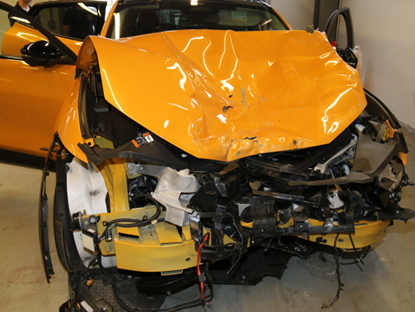
Philadelphia, Pennsylvania
The March 3, 2024, fatal crash in
Philadelphia, Pennsylvania, involved a vehicle operating in a partial automation mode that crashed into the rear of a stopped vehicle. In addition to examining alcohol-impaired driving, we examined the limitations and oversight deficiencies of partial driving automation systems, including:
- Lack of federal requirements for data recording and inadequate manufacturer awareness of crash events
- Driver monitoring systems limitations
- Deficiencies in Ford’s implementation of its partial automation system, and overall lack of guidelines for implementation of partial automation systems.
Read:
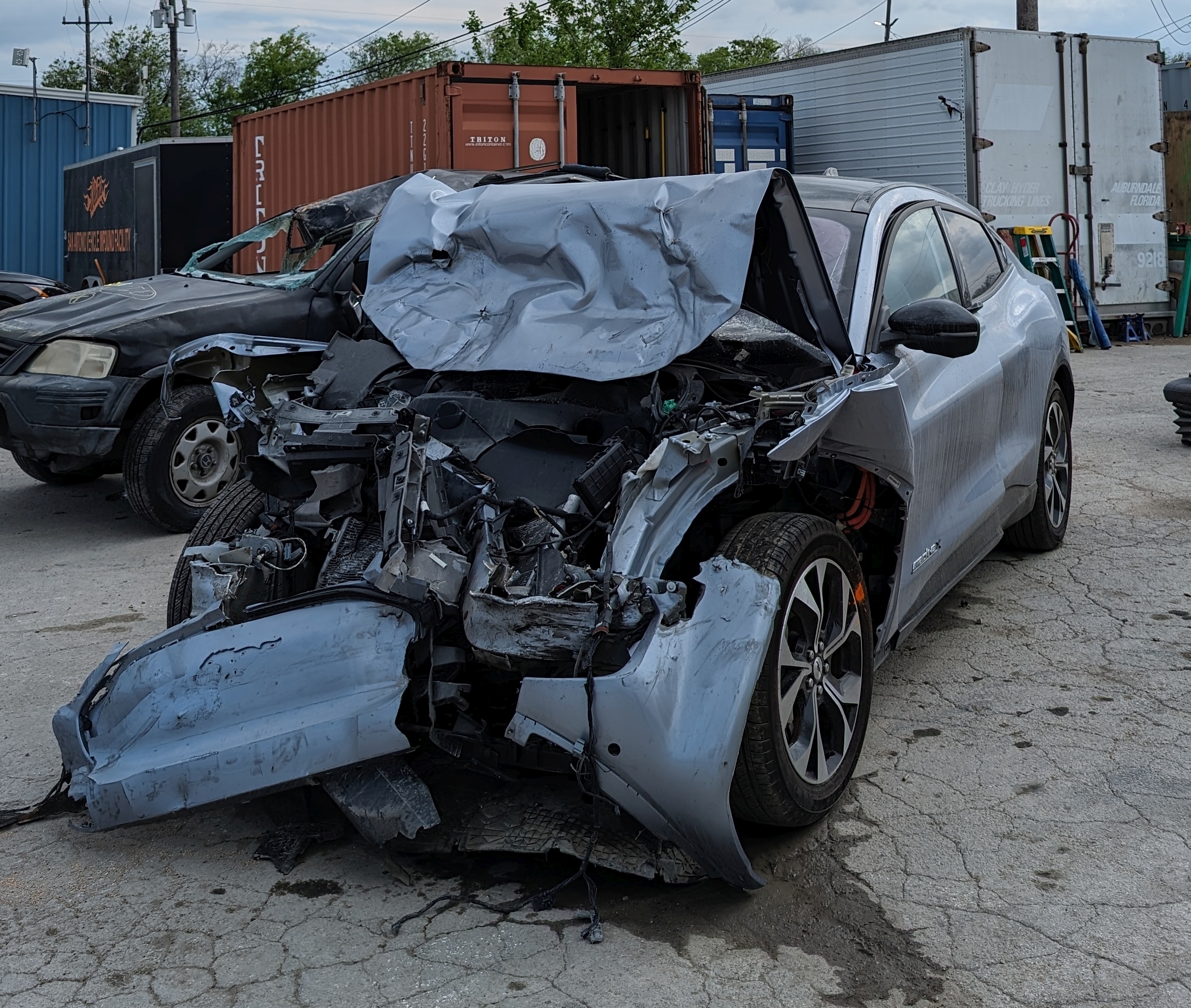
San Antonio, Texas
The February 24, 2024, crash in
San Antonio, Texas, involved a vehicle operating in a partial automation mode that crashed into the back of a stopped sport utility (SUV) vehicle. As a result of the crash, the driver of the stopped SUV was fatally injured. We examined limitations and insufficient federal oversight of partial driving automation systems, including:
- Lack of federal requirements for data recording and inadequate manufacturer awareness of crash events
- Driver monitoring systems limitations
- Deficiencies in Ford’s implementation of its partial automation system, and overall lack of guidelines for implementation of partial automation systems.
Read:
Delray Beach, FloridaThe March 1, 2019, fatal crash in
Delray Beach, Florida, involved a vehicle operating in partial automation mode that struck the trailer of a combination vehicle crossing a state highway, in a sequence that closely resembles the Williston crash. We examined these safety issues:
- limitations of the partial automation system
- method of monitoring driver engagement
- automation overreliance
Read:
Mountain View California
The March 23, 2018, crash in
Mountain View, California was a fatal crash involving a vehicle operating in partial automation mode that veered into a gore area and struck a previously damaged crash attenuator at highway speed; a postcrash fire ensued. We examined these safety issues:
- limitations of the partial automation system and the method of monitoring driver engagement
- federal requirements for collision avoidance systems
- driver distraction and automation overreliance
Read:
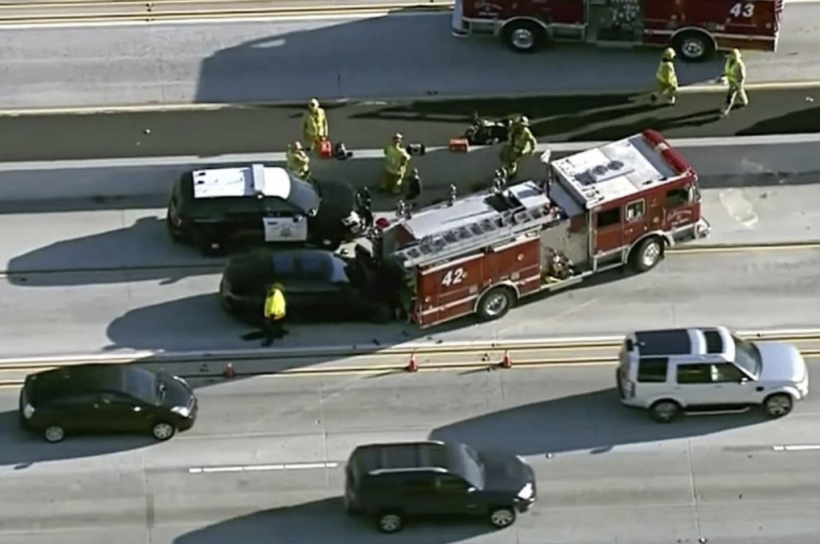
Culver City, California The January 22, 2018, crash in
Culver City, California, involved a vehicle operating in partial automation mode that crashed into the back of a stopped fire truck partially blocking the travel lane. We examined these safety issues:
- limitations of the partial automation system
- method of monitoring driver engagement
- driver distraction and automation overreliance
Williston, Florida
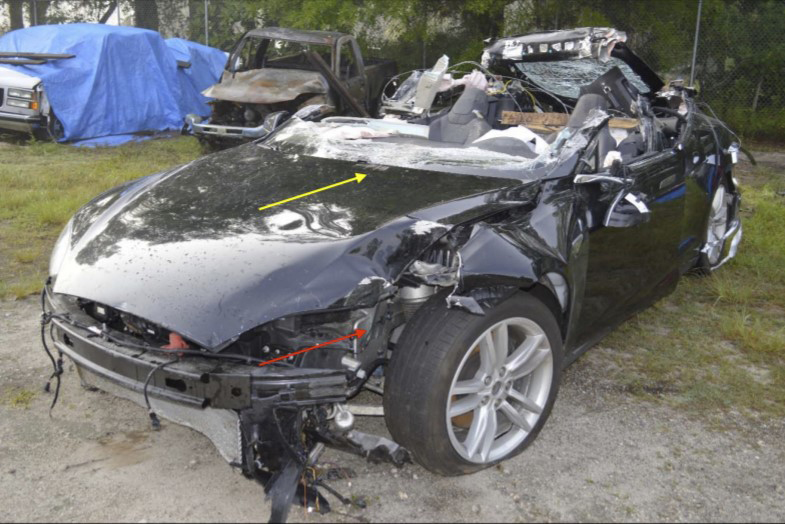
The May 7, 2016, crash in
Williston, Florida, was the first fatal crash in the United States involving a vehicle operating in a partial automation mode at the time of the crash. We examined these safety issues:
- partial automation system capabilities and limitations
- driver automation overreliance
- data recording requirements
Read:
