Enhancing Child Passenger Safety
For decades, the safety of young passengers has been a critical focus for the NTSB. In particular, the proper use of child safety restraint systems, seatbelts, and airbags has been a key factor in reducing child fatalities and injuries in vehicle accidents.
Montana was among the states that had not fully updated its laws to align with national standards for child passenger safety. However, after 30 years of advocacy and sustained efforts by the NTSB, child safety advocates, and state lawmakers, Montana has now passed legislation (HB 586) that revises its child restraint system laws, marking a significant milestone in the state’s commitment to protecting its youngest passengers.
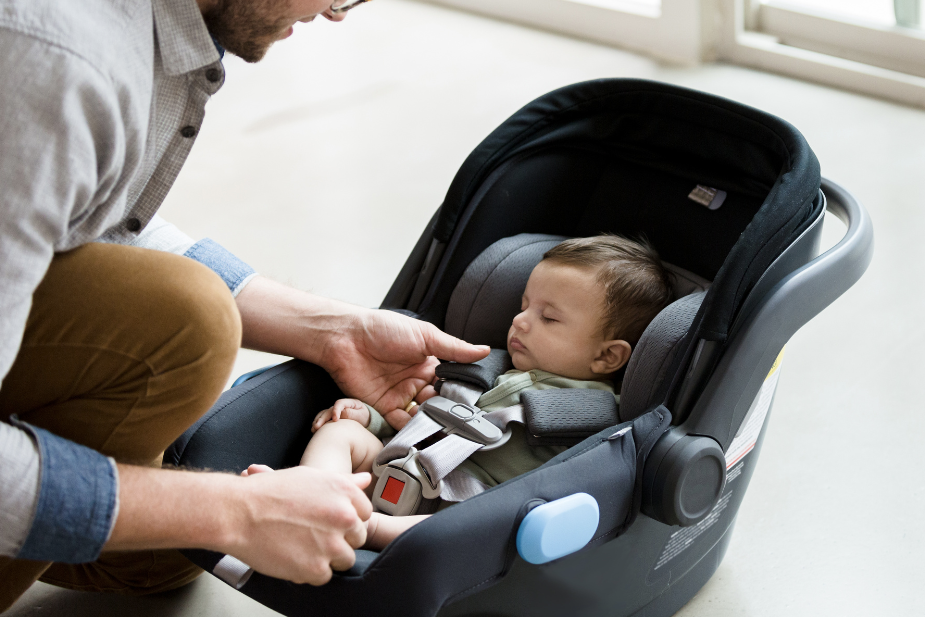 Key Safety Improvements
Following the NTSB's recommendation (H-96-14), which mandates that children up to 8 years old must use child restraint systems and booster seats under the state's child restraint use law, Montana has taken critical steps to enhance its child passenger safety laws. The newly enacted HB 586 revises the state's regulations to require that:
- Children under 2 years old must be in a rear-facing child safety seat.
- Children aged 2-4 must be in a rear-facing seat or a forward-facing seat with an internal harness.
- Children aged 4-8 must use a forward-facing seat or booster seat, depending on their size.
- Children aged 9 and older must be secured with an adult seatbelt once they outgrow booster seat requirements.
These updates ensure that Montana’s laws now fully reflect best practices in child safety, reducing the likelihood of severe injuries and fatalities in crashes.
Why This Matters
According to National Highway Traffic Safety Administration’s (NHTSA) 1994 Fatal Accident Reporting System (FARS) data, over 5,900 children were involved in fatal vehicle accidents each year, many of whom were unrestrained or improperly restrained. However, in 2022, NHTSA reported 1,129 traffic fatalities among children aged 14 and younger in the United States. This decline highlights the progress made in child passenger safety, but it also emphasizes the continued need for proper child restraint use and safety measures to further reduce fatalities and injuries.
NTSB’s 1996 safety study highlighted that unrestrained children are twice as likely to be killed in an accident compared to those who are properly secured.
A Step Forward, but Work Remains
We celebrate Montana for closing this recommendation after three decades of advocacy. However, several states:
Alabama, Arkansas, Florida, Iowa, Nevada, and South Dakota, still have not fully implemented child restraint system laws that align with national standards and still have open NTSB recommendations. The NTSB urges these states to take similar actions to protect their young passengers and reduce the risk of preventable fatalities.
The progress made in Montana demonstrates the impact of safety recommendations and the continued need for proactive measures across the country.
NHTSA Takes Important Step Toward Standardizing Impaired-Driver Toxicology Testing Nationwide

On New Year’s Day 2021, a 28-year-old drug-impaired driver swerved his sport utility vehicle (SUV) into oncoming traffic on a two-way road near Avenal, Calif., and collided head-on with a pick-up truck carrying an adult driver and seven children. The SUV driver and all eight pickup truck occupants died.
In this
highway investigation, the NTSB found that the driver’s blood alcohol concentration was more than double California's legal limit. Unfortunately, the NTSB could not determine if other drugs contributed to the driver's impairment because the Fresno County medical examiner's postmortem toxicology testing of the driver's blood did not screen for other common drugs. The NTSB later detected cannabis in the driver's blood when conducting its post-crash toxicology tests.
For alcohol impairment, years of experience and a robust data-gathering process have reliably established detectable levels of blood alcohol associated with impairment. However, for other widely available drugs, both legal and illicit, the data available are insufficient to develop enforceable impairment markers and effective countermeasures.
We could improve the information on the prevalence of impairing drug use by drivers if testing protocols were standardized. Like many other states, California had no uniform standard for drug toxicology testing at the time of the 2021 Avenal crash.
Following our investigation, the NTSB issued a safety recommendation
(H-22-33) to the National Highway Traffic Safety Administration (NHTSA) to disseminate a nationally recognized drug toxicology testing standard to state officials.
The NTSB recently closed its recommendation to NHTSA as an acceptable action when NHTSA distributed the National Safety Council's "Recommendations for Toxicological Investigations of Drug-Impaired Driving and Motor Vehicle Fatalities through the Regional Toxicology Liaison Program" to all state officials.
NTSB’s School Bus Stop-Arm Camera Recommendation Takes Hold in the States
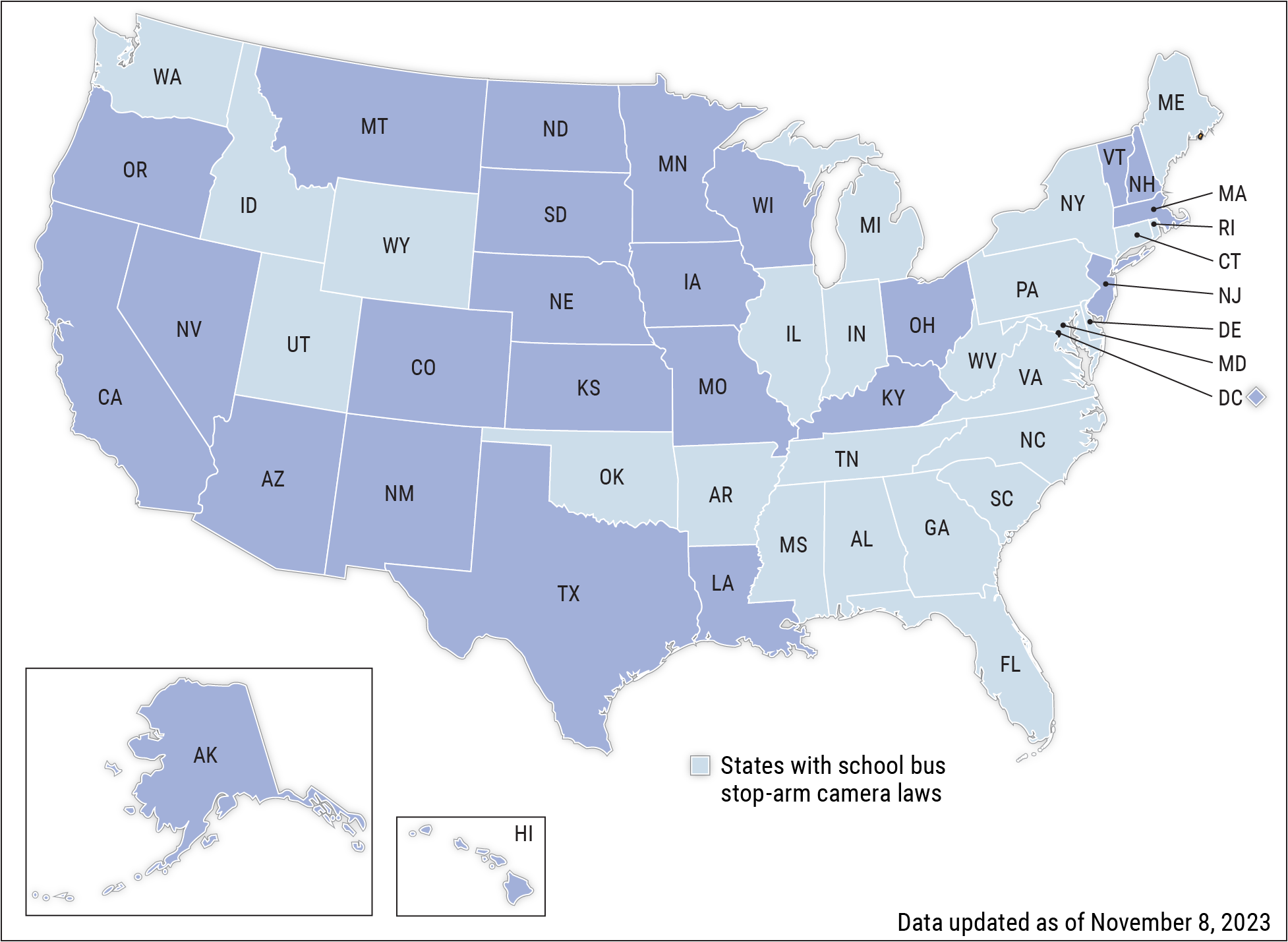
NTSB’s call for states to permit school bus stop-arm cameras is steadily taking hold across the country, with 25 states enacting laws to prevent illegal school bus passings that have reached an epidemic level, putting student safety at risk.
Florida, Michigan, and Delaware are the most recent states to adopt NTSB’s stop-arm camera safety recommendation, which the agency issued in 2020 to 28 states and the District of Columbia. The agency made the recommendation (H-20-12) following its investigation of a 2018 Rochester, Indiana crash, where three children were struck and killed and another severely injured when crossing a two-lane highway to board their school bus.
The National Association of State Directors of Pupil Transportation Services estimates that over 41 million vehicles illegally passed school buses in a 180-day school year. Stop-arm cameras record the license plates of vehicles illegally passing school buses, enabling police to issue citations to violators, an effective deterrent to dangerous driver behavior.
Read NTSB’s testimony in support of stop-arm camera legislation before Oregon’s House Judiciary Committee.
Texas Adopts NTSB’s Recommendation to Use Variable Speed Limits to Prevent Highway Crashes
Following the NTSB’s recommendation that Texas use variable speed limit signs to reduce crashes occurring on its highways during inclement weather, the state recently authorized the Texas Transportation Commission to use them on its roads.
Variable speed limit signs, unlike static ones, can be adjusted when changing road conditions require safer speed limits to reduce the risk of highway crashes.
The NTSB first asked Texas (H-05-20) to install variable speed limit signs following the agency’s investigation of a 2003 crash near Hewitt, Texas, where a motorcoach bus skidded during braking, crossed over a grassy median, entered the southbound lane, and collided with an SUV. The crash occurred during inclement weather with reduced visibility due to fog, haze, and heavy rain. Seven people died, and several other people were injured in the crash.
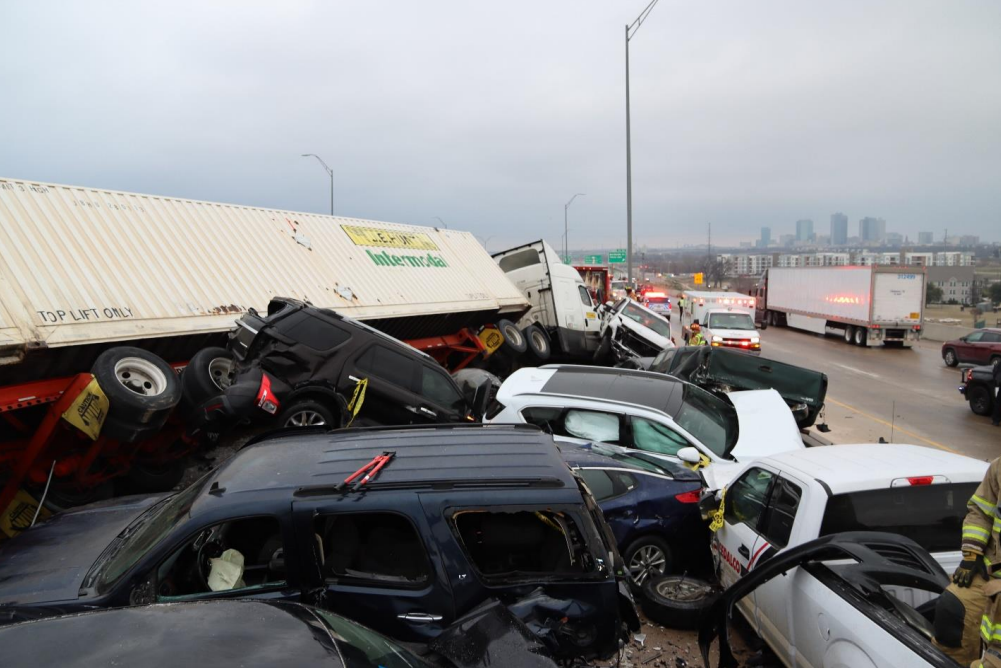
In 2023, the NTSB asked Texas again (H-23-3) to use variable speed limit signs following the agency’s investigation of a 2021 Fort Worth crash where six people died in a multivehicle pileup on an icy highway with a posted speed of 75 miles per hour.
