Sticking Exhaust Valves

Identify and Treat Before Engine Failure

The problem

​​​​​​​​​​​A sticking (or stuck) valve in reciprocating piston engines can interrupt the combustion cycle, causing severe vibration and a partial loss of engine power. Depending on where the valve sticks within the valve guide, pushrods can also bend. Valves stick due to the accumulation of deposits on the valve stem and/or valve guide. Factors that contribute to this accumulation include localized overheating within the engine cowling, infrequent flying, or sudden engine cooling.[1] Other contributing factors include incorrect air/fuel mixture, operation in high ambient temperatures, low airspeed flight with reduced cooling, and the use of fuel with high lead content. These conditions are frequently observed in piston-powered helicopters because of their higher operating temperatures and flight school aircraft because of rich mixture settings and constant flow flights and pattern work. 

Pilots unfamiliar with the signs of a stuck valve can be faced with the unexpected scenario of a rough-running engine and noticeable loss of engine power that is rarely discussed during basic flight training. These symptoms are often misdiagnosed in flight and can be particularly alarming when they occur during takeoff and landing. However, in some cases, while alarming, the airplane may still be capable of sustaining flight. By far, the safest time to deal with sticking or stuck valves is before takeoff; therefore, recognizing and knowing how to respond to the signs is essential. ​


What can owners and operators do?

  • ​​Ensure your airplane receives oil and air filter changes at the original equipment manufacturer-recommended intervals. 
  • Recognize the symptoms of valve sticking, like a rough-running engine (particularly when the engine is cold), low exhaust gas temperatures (EGTs), and cylinder head temperatures (typically in one cylinder). 
  • Use proper leaning techniques to adjust the fuel/air mixture, which can be found in the pilot operating handbook or engine operator’s manual. 

What can mechanics do?

  • ​Educ​ate pilots and owners about the importance of oil change intervals. 
  • Use available data from engine-monitoring devices to diagnose and troubleshoot rough running engines. 
  • Become familiar with types of aircraft and operational environments that are most susceptible to occurrences of stuck valves (for example, piston helicopters and flight schools). 
  • Ensure that cooling air baffles and baffle strips are in good condition to prevent localized overheating of cylinders. 
  • Follow engine manufacturer service instructions to diagnose, measure, or clear stuck valves.

Related Investigations

​​From 2015 to 2025, we investigated 42 accidents in which a stuck valve has led to a loss of power and an accident. These accidents resulted in five fatalities and 12 serious injuries. Three representative accidents are summarized below. 

CEN19LA199

​​​On June 29, 2019, a Zenair CH750 STOL airplane experienced a total loss of engine power while in a descent near Paducah, Kentucky. The pilot was unable to restart the engine and completed a forced landing, during which the airplane landed hard and nosed over. The pilot sustained serious injuries. ​​Recovered flight and engine data revealed that, during a 45-second period following a power reduction for descent,
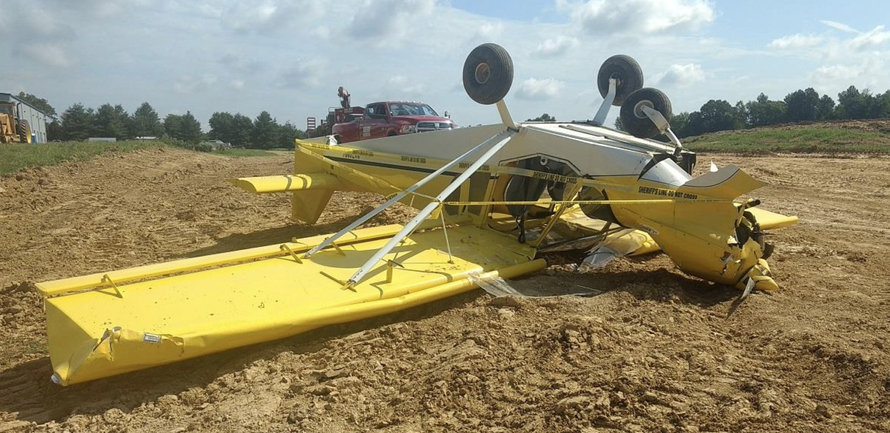
​Left side of the Zenair CH750 STOL at the accident site. (Source: AMF Aviation LLC)

the EGT for cylinder Nos. 1 and 3 decreased to 335 °C and 461 °C, respectively. However, the EGT for cylinder Nos. 2 and 4 increased about 60 ºC during the same time period before decreasing rapidly when the fuel pressure dropped. Postaccident engine examination found the No. 3 exhaust valve stuck open. It is likely that the stuck exhaust valve adversely affected cylinder compression, engine timing, and fuel delivery to the cylinders. (CEN19LA199)


WPR22FA188

​On May 25, 2022, a Cessna 172F ​​was substantially damaged when it was involved in an accident near Show Low Regional Airport, Show Low, Arizona, during a second attempted takeoff. The pilot and passenger died. After aborting the first takeoff, the pilot taxied the airplane back to the approach end of the runway to perform an engine run-up. Witnesses stated that the engine was “sputtering” and “sounded bad” during the takeoff and the taxi to the run-up area. A witness of the second attempted takeoff described the engine as “running rich, like it was bogged down.” Postaccident examination found that the No. 4 engine cylinder exhaust valve was stuck due to a buildup of material that enlarged the overall diameter of the valve’s stem. The valve stem deposits also showed indications of an organic compound that was consistent with deposits of unburned fuel. The accident likely could have been avoided if the pilot had the airplane examined by maintenance personnel before attempting the second takeoff. (WPR22FA188)
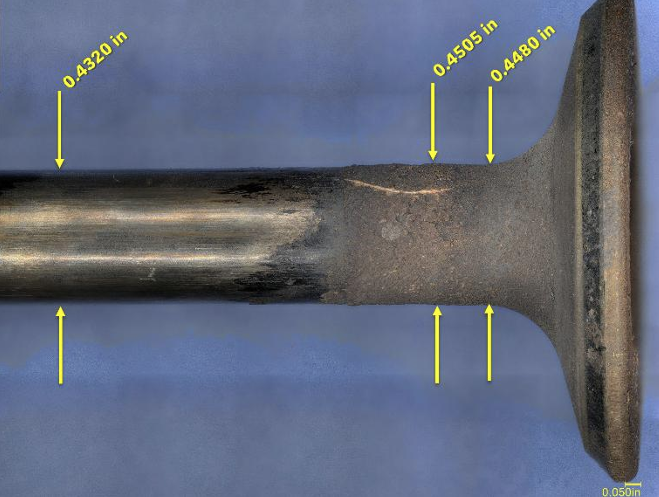
​​​​​​​​Closeup view of the buildup on the seat of the exhaust valve in the Cessna 172F

ERA24LA211

​On May 8, 2024, a Piper PA-32 airplane experienced a partial loss of power after takeoff. The airplane was unable to maintain altitude, and the pilots performed a forced landing. An examination of the engine exhaust valve stems found buildup of carbon on the combustion side of the exhaust guides in five cylinders. 

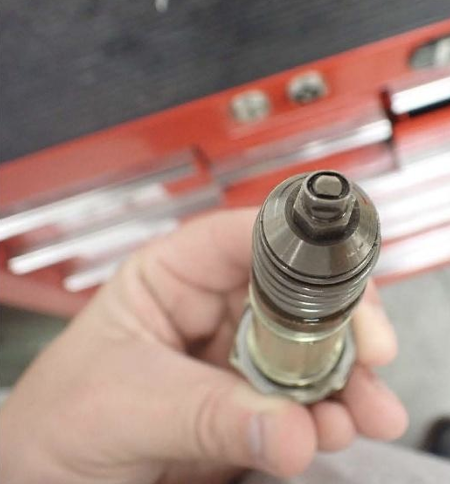
Additionally, indications of excessively rich mixture were observed, as well as an improperly seated thermostatic oil cooler bypass valve in the oil filter adapter, which caused elevated oil temperature. The pilot reported that three previous events occurred during which the engine lost power in the cylinders, but maintenance records show no evidence of compliance with an engine manufacturer service bulletin related to determining exhaust valve and guide condition. Compliance with recommended inspection procedures likely would have detected and addressed the carbon buildup that resulted in the losses of power that were observed on the accident and previous flights. (ERA24LA211) 
​

​​​​​​​​​​​​​​Piper PA-32’s thermostatic oil cooler bypass valve with inconsistent wear due to being improperly seated. 


CEN19LA199

​​​On June 29, 2019, a Zenair CH750 STOL airplane experienced a total loss of engine power while in a descent near Paducah, Kentucky. The pilot was unable to restart the engine and completed a forced landing, during which the airplane landed hard and nosed over. The pilot sustained serious injuries. ​​Recovered flight and engine data revealed that, during a 45-second period following a power reduction for descent,

​Left side of the Zenair CH750 STOL at the accident site. (Source: AMF Aviation LLC)

the EGT for cylinder Nos. 1 and 3 decreased to 335 °C and 461 °C, respectively. However, the EGT for cylinder Nos. 2 and 4 increased about 60 ºC during the same time period before decreasing rapidly when the fuel pressure dropped. Postaccident engine examination found the No. 3 exhaust valve stuck open. It is likely that the stuck exhaust valve adversely affected cylinder compression, engine timing, and fuel delivery to the cylinders. (CEN19LA199)


WPR22FA188

​On May 25, 2022, a Cessna 172F ​​was substantially damaged when it was involved in an accident near Show Low Regional Airport, Show Low, Arizona, during a second attempted takeoff. The pilot and passenger died. After aborting the first takeoff, the pilot taxied the airplane back to the approach end of the runway to perform an engine run-up. Witnesses stated that the engine was “sputtering” and “sounded bad” during the takeoff and the taxi to the run-up area. A witness of the second attempted takeoff described the engine as “running rich, like it was bogged down.” Postaccident examination found that the No. 4 engine cylinder exhaust valve was stuck due to a buildup of material that enlarged the overall diameter of the valve’s stem. The valve stem deposits also showed indications of an organic compound that was consistent with deposits of unburned fuel. The accident likely could have been avoided if the pilot had the airplane examined by maintenance personnel before attempting the second takeoff. (WPR22FA188)

​​​​​​​​Closeup view of the buildup on the seat of the exhaust valve in the Cessna 172F

ERA24LA211

​On May 8, 2024, a Piper PA-32 airplane experienced a partial loss of power after takeoff. The airplane was unable to maintain altitude, and the pilots performed a forced landing. An examination of the engine exhaust valve stems found buildup of carbon on the combustion side of the exhaust guides in five cylinders. 

Additionally, indications of excessively rich mixture were observed, as well as an improperly seated thermostatic oil cooler bypass valve in the oil filter adapter, which caused elevated oil temperature. The pilot reported that three previous events occurred during which the engine lost power in the cylinders, but maintenance records show no evidence of compliance with an engine manufacturer service bulletin related to determining exhaust valve and guide condition. Compliance with recommended inspection procedures likely would have detected and addressed the carbon buildup that resulted in the losses of power that were observed on the accident and previous flights. (ERA24LA211) 
​

​​​​​​​​​​​​​​Piper PA-32’s thermostatic oil cooler bypass valve with inconsistent wear due to being improperly seated. 


Interested in more information?


​​​​​​ ​
​
​