Electric Propulsion Power Systems – Finding Risks in Aging Rail Infrastructure
The Problem
Safety Alert Section 2 Title - As the nation’s rail infrastructure ages, transit and commuter operators are experiencing critical failures related to electric propulsion power systems, putting the traveling public at risk.
- Our investigators have observed electrical arcing, fire hazards, and smoke incidents from critical failures of electric propulsion power systems that have endangered passengers and employees. For example:
• Flooding or drainage issues can expose electrical cables to water intrusion and cause cable insulation to degrade.
• Worn contact surfaces on electrified third rails, collector shoes, or pantograph heads may cause intermittent contact, which can lead to arcing.
• Loose or corroded electrical connectors and joints on catenary wire or third-rail systems can increase electrical resistance, which can generate excessive heat in electrical components and lead to fires, electrical shorts, or other dangers.
- Recent investigations have found some electric propulsion power systems (such as third-rail systems or overhead wire catenary systems) have merged newer technologies with legacy components, introducing new failure modes.
- Temporary repairs and undocumented changes to third-rail or catenary systems, as well as aging electrical component tolerances that drift over time from their original design performance criteria, can also cause critical electrical problems. These include arcing caused by worn contact surfaces, fires resulting from degraded cable insulation, and overheating from loose or corroded electrical connectors that increase resistance.
- These critical failures may not be adequately detected or mitigated by transit and commuter rail operators’ existing maintenance and inspection plans.
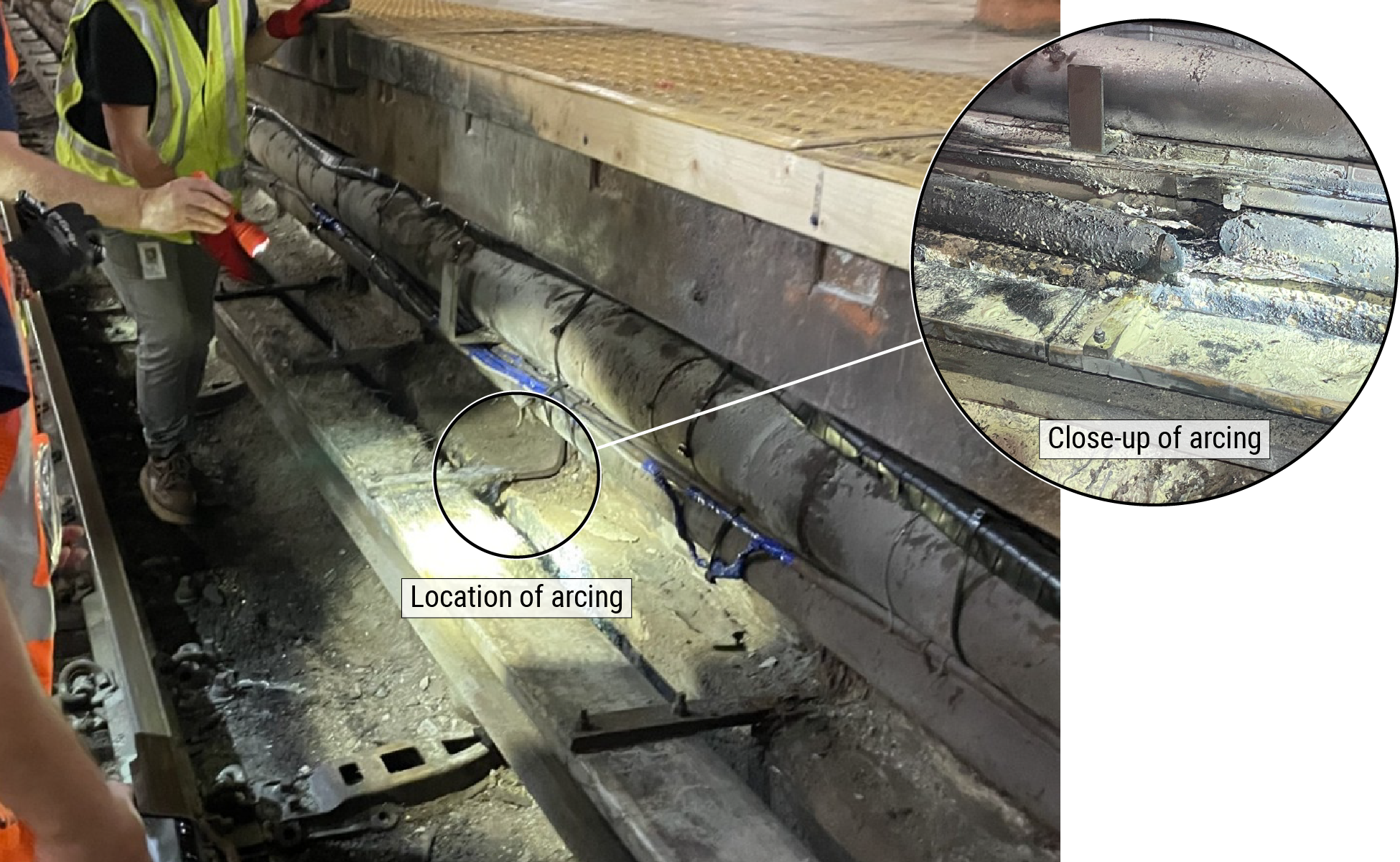
Safety Alert Section 3 Title 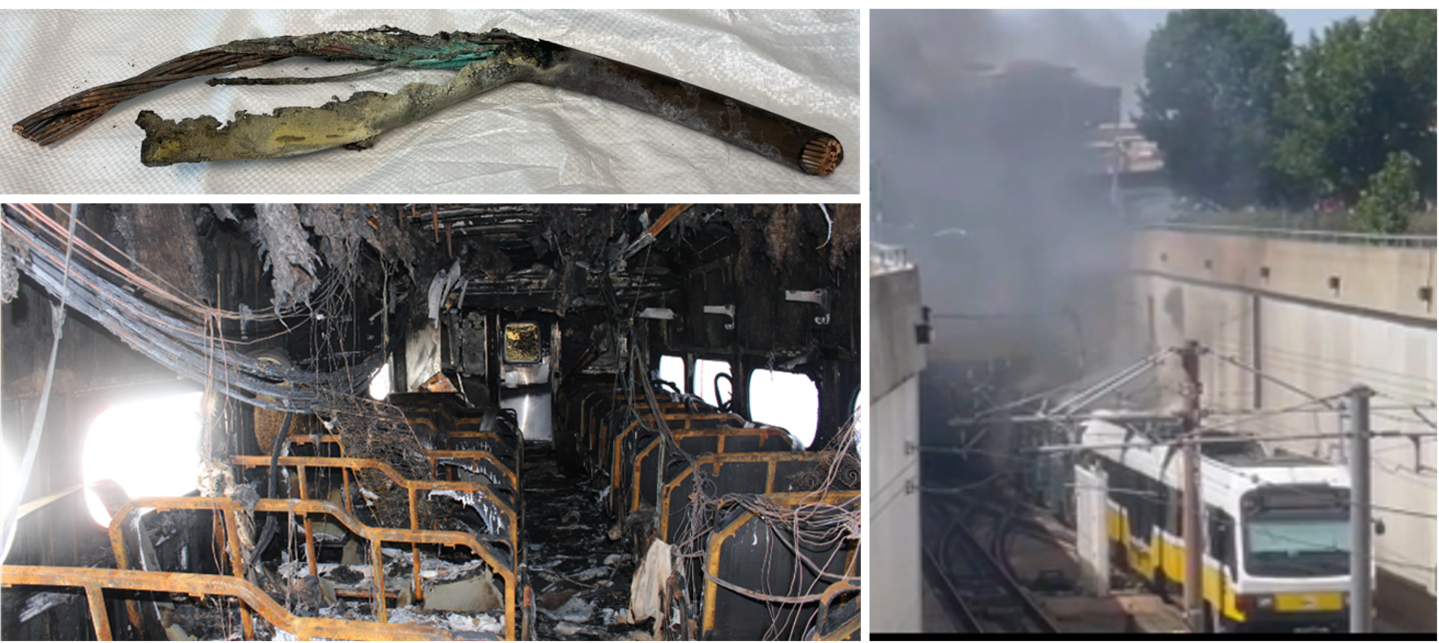 Figure. (Clockwise from upper left) Damaged third-rail feeder cable from a PATH track in Jersey City, New Jersey; Dallas Area Rapid Transit Train 81 in contact with a low overhead catenary wire in Dallas, Texas (Source: FOX 4 Dallas-Fort Worth); and internal damage to SEPTA railcar following the Ridley Park, Pennsylvania, fire.
Related investigations
Safety Alert Section Content 5 On February 6, 2025, electrical components of the lead railcar of Southeastern Pennsylvania Transportation Authority (SEPTA) Regional Rail train 3223 caught fire as the train departed Crum Lynne Station in Ridley Park, Pennsylvania. There were about 325 passengers and 4 crewmembers on board. Over the course of the year, this investigation expanded to include four additional electrical fire or smoke events. (RRD25FR006) 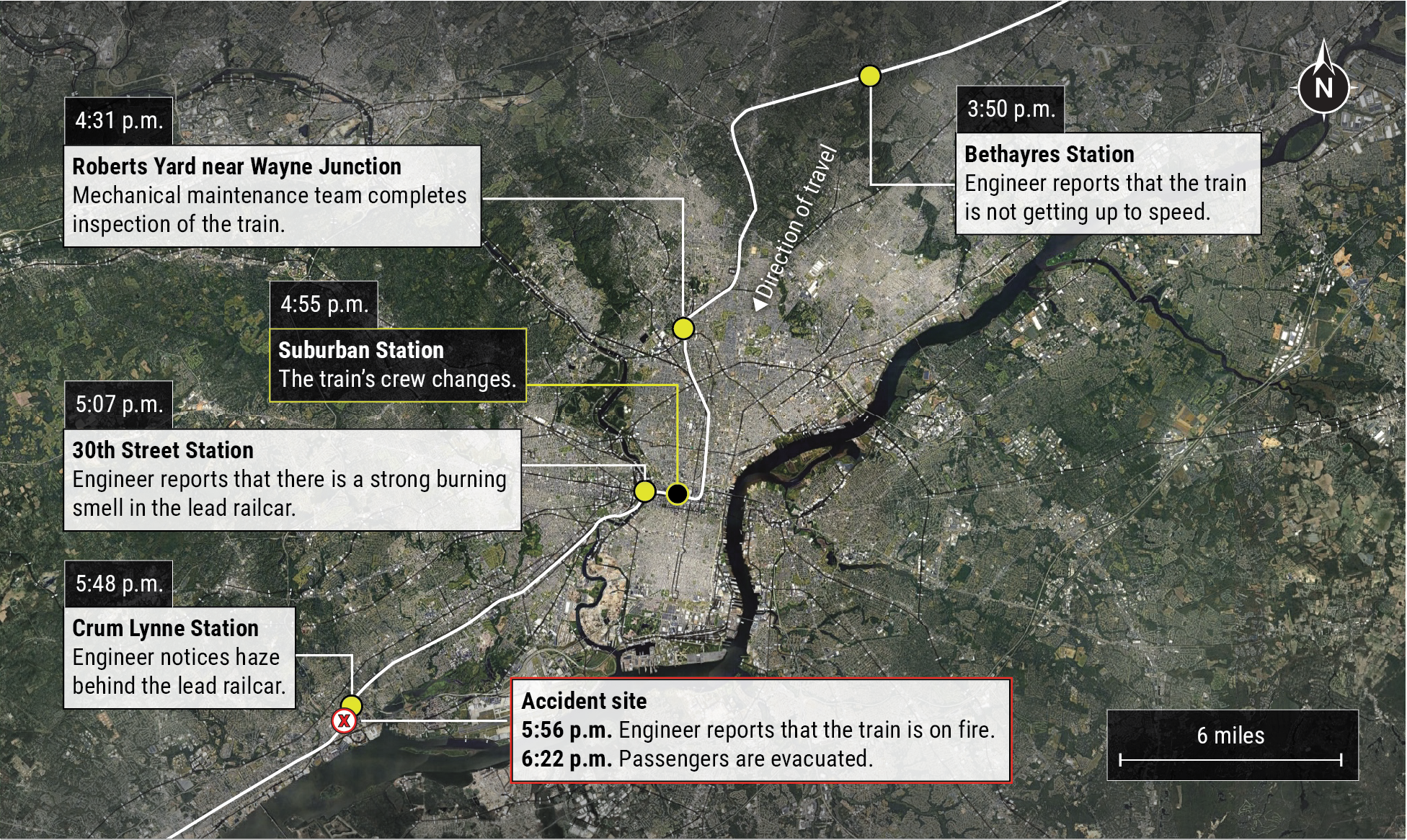
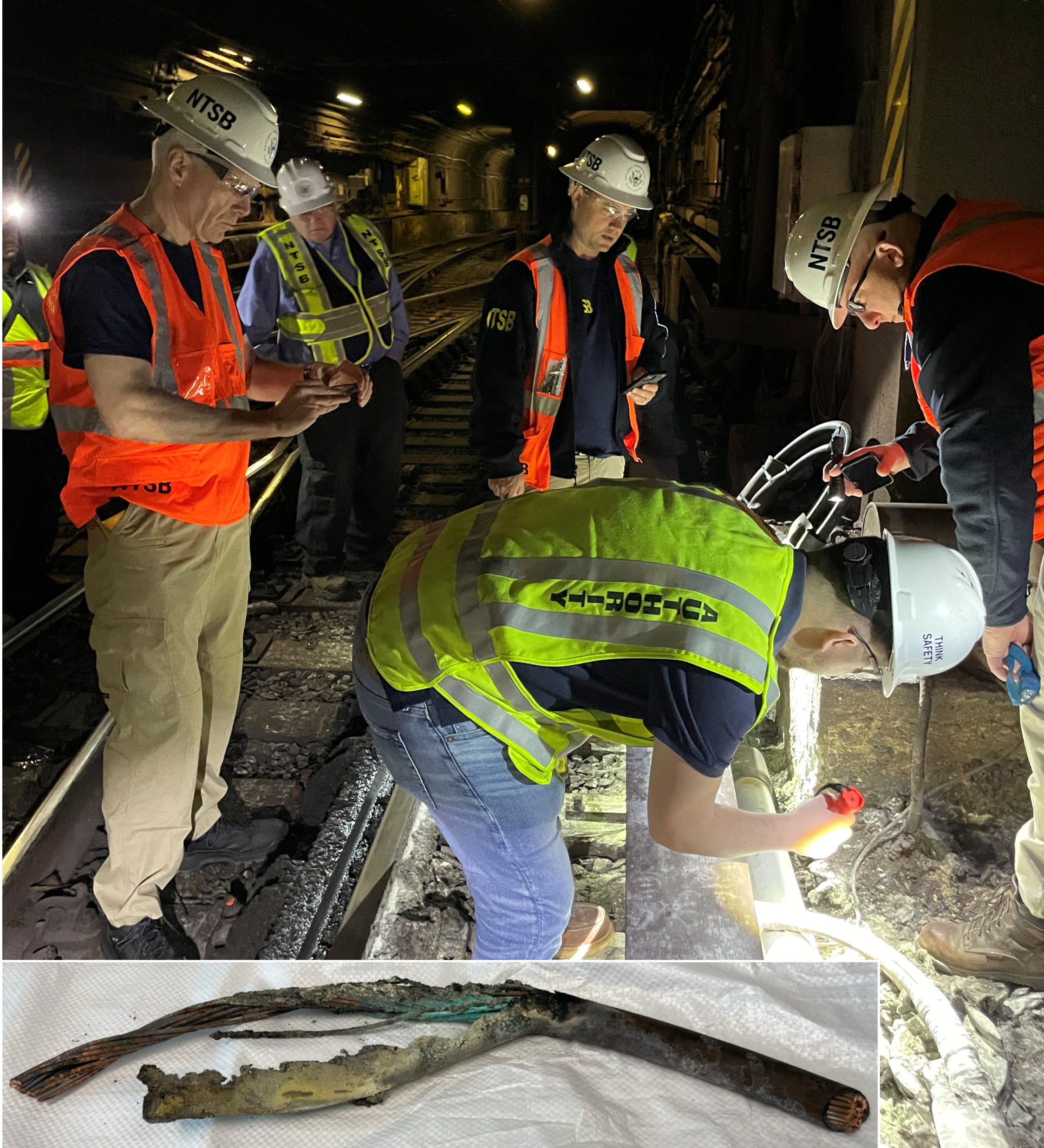
Safety Alert Accordion Header Title 2. On May 8, 2025, a third-rail feeder cable that may have been exposed to water intrusion caught fire on Port Authority Trans Hudson Corporation (PATH) track G in a railroad tunnel in Jersey City, New Jersey. The fire resulted in smoke-related injuries to five PATH employees. (RRD25FR011)
Safety Alert Accordion Title 1 On July 30, 2025, a northbound Dallas Area Rapid Transit train contacted a low overhead catenary wire, resulting in electrical arcing and fire on the Orange Line train in Dallas, Texas. Of the 20 passengers on board, 11 suffered minor injuries, including 3 who were transported for treatment at local hospitals. (RRD25FR020) 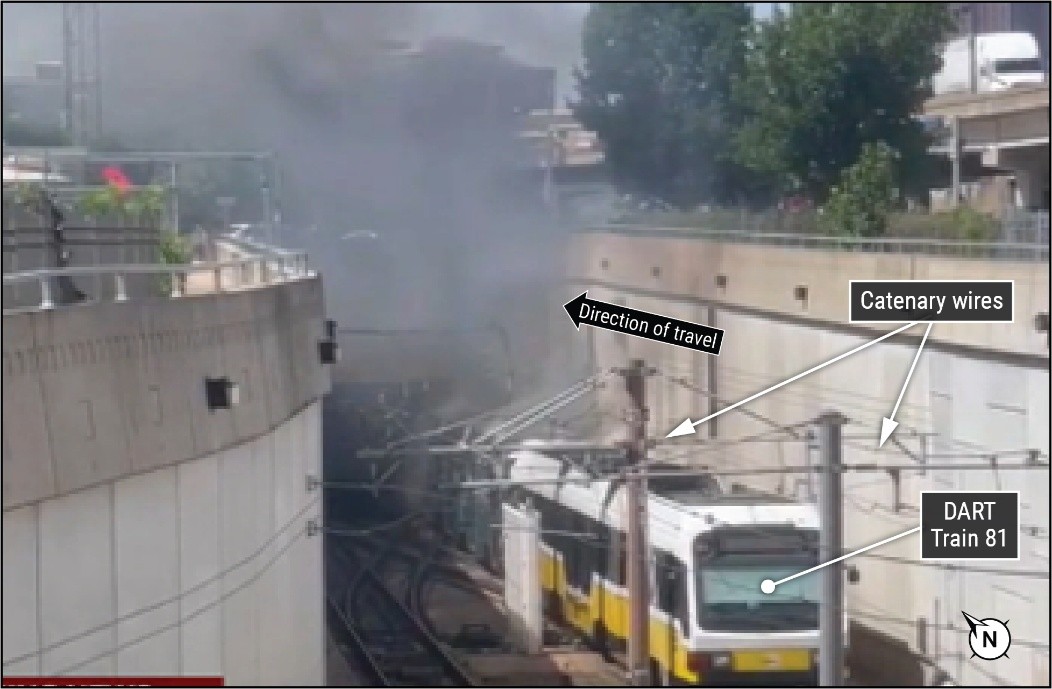
Safety Alert Accordion Title 2 On August 4, 2025, passengers were evacuated after an arcing incident and fire occurred on the third rail underneath a seven-car PATH train at Newport Station in Jersey City, New Jersey. Of the about 200 passengers on board, 15 sustained minor injuries. Four injured PATH employees were also treated and released from the hospital. (RRD25FR021)
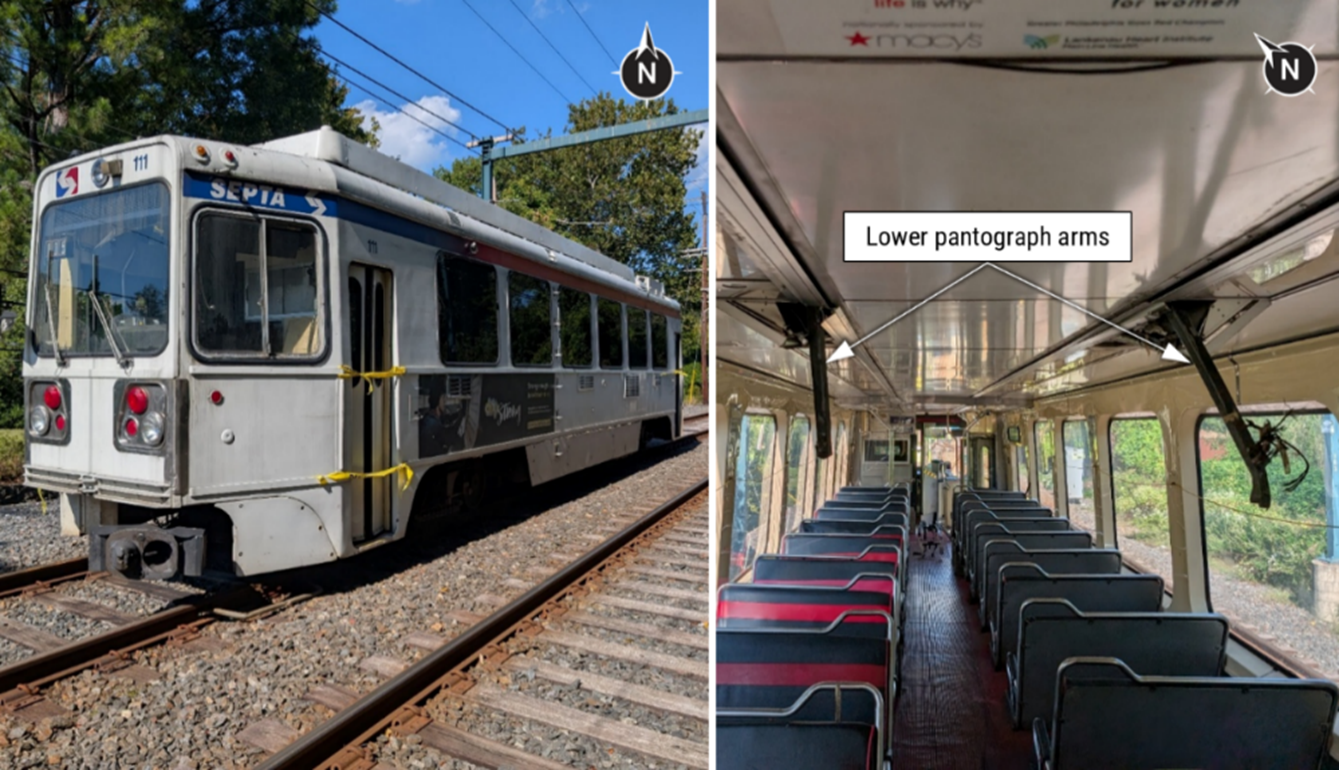
Safety Alert Accordion Title 3 On September 25, 2025, a pantograph became entangled with the overhead catenary system while a westbound SEPTA trolley car was in motion, and the pantograph separated from and penetrated the car body. The trolley operator and three passengers requested transport to the hospital for minor injuries. (RRD25FR024)
RRD25FR006
On February 6, 2025, electrical components of the lead railcar of Southeastern Pennsylvania Transportation Authority (SEPTA) Regional Rail train 3223 caught fire as the train departed Crum Lynne Station in Ridley Park, Pennsylvania. There were about 325 passengers and 4 crewmembers on board. Over the course of the year, this investigation expanded to include four additional electrical fire or smoke events. (RRD25FR006)
RRD25FR011
2. On May 8, 2025, a third-rail feeder cable that may have been exposed to water intrusion caught fire on Port Authority Trans Hudson Corporation (PATH) track G in a railroad tunnel in Jersey City, New Jersey. The fire resulted in smoke-related injuries to five PATH employees. (RRD25FR011)
RRD25FR020
On July 30, 2025, a northbound Dallas Area Rapid Transit train contacted a low overhead catenary wire, resulting in electrical arcing and fire on the Orange Line train in Dallas, Texas. Of the 20 passengers on board, 11 suffered minor injuries, including 3 who were transported for treatment at local hospitals. (RRD25FR020)
RRD25FR021
On August 4, 2025, passengers were evacuated after an arcing incident and fire occurred on the third rail underneath a seven-car PATH train at Newport Station in Jersey City, New Jersey. Of the about 200 passengers on board, 15 sustained minor injuries. Four injured PATH employees were also treated and released from the hospital. (RRD25FR021)
RRD25FR024
On September 25, 2025, a pantograph became entangled with the overhead catenary system while a westbound SEPTA trolley car was in motion, and the pantograph separated from and penetrated the car body. The trolley operator and three passengers requested transport to the hospital for minor injuries. (RRD25FR024)
What can railroads and rail transit agencies do?
Safety Alert Section Title 5 - Implement reliability engineering processes. If these processes are already in place, use them to reassess safety analyses of the design of electric propulsion power systems and other critical systems, particularly as equipment ages and when temporary repairs and changes are made to third-rail or catenary systems.
- Ensure all measurable hazards—including those involving aging electrical infrastructure or newly introduced replacement components—are incorporated into system safety programs like safety management systems (SMS). An SMS can provide structured processes to evaluate new or modified components for potential failure modes, integrate components safely with legacy systems, and monitor the components over time so emerging risks are identified early and mitigated effectively.
- Be aware of electric propulsion power system failures that involve aging electrical components. Review your maintenance, testing, and inspection procedures for wayside, car-borne, and associated electrical system components. Address deficiencies identified in the review.
- Use system failure modes identified in records or in previous incidents to review and revise—or develop, if necessary—maintenance, inspection, and testing procedures that can detect or prevent these failures.
- Use technology to generate real-time trend reports so emerging safety issues can be identified early and risks can be mitigated.
Useful Terminology
Safety Alert_Section Title 6 Collector shoes
In a third-rail system, collector shoes ride along the surface of the third rail to conduct power to the train’s propulsion system.
|
|
