The investigations below involve accidents in which a train was operating without positive train control at the time of the crash. Each investigation summary highlights the safety issues examined by the NTSB and includes links to the accident investigation page, the probable cause determination, related reports and documents, and the complete public accident docket.
Beyond Full Implementation: Next Steps in Positive Train Control
| September 28, 2023
|
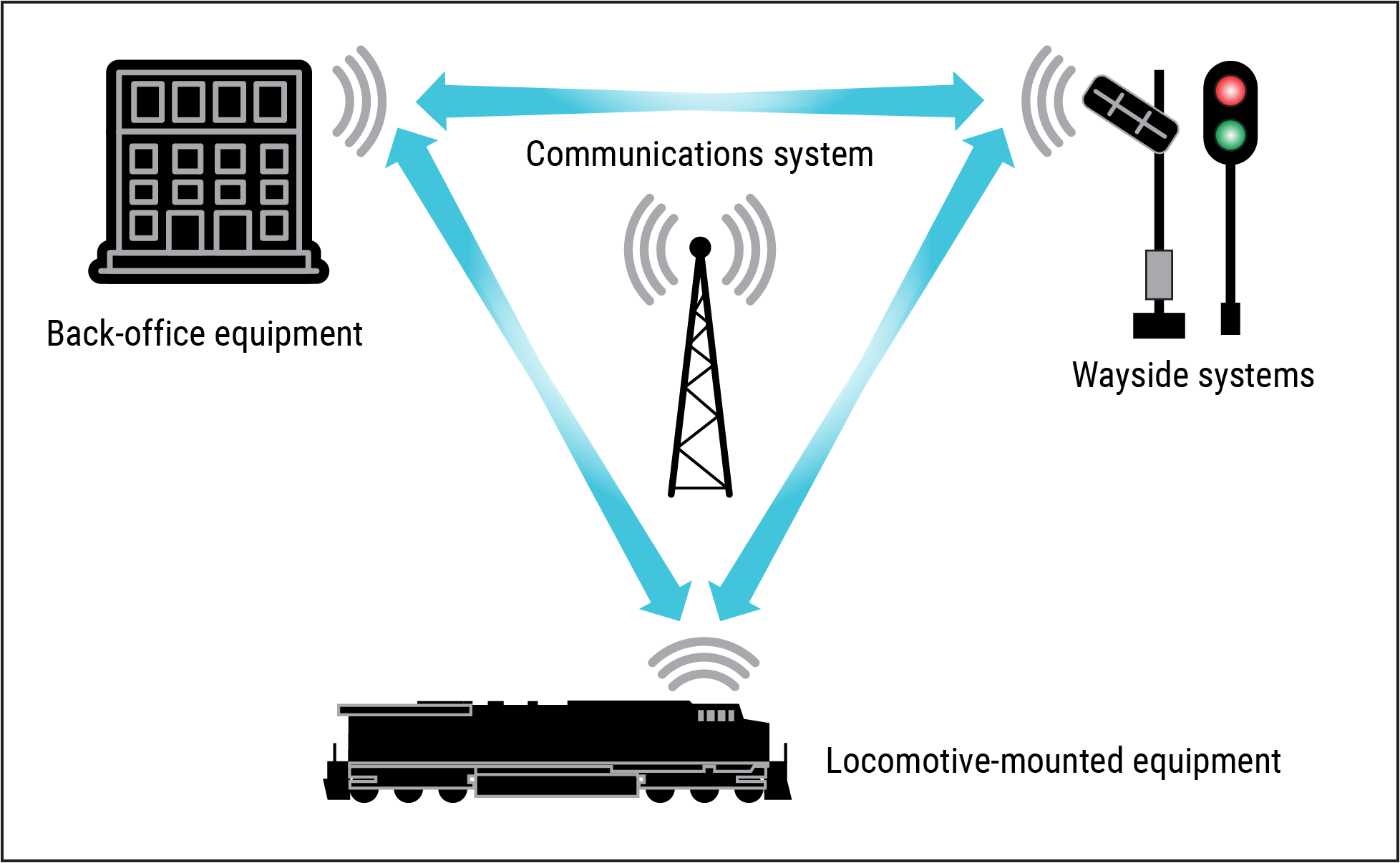
In this report, NTSB examines positive train control (PTC) and PTC-related technologies and regulations. The report includes work performed across several NTSB accident investigations, additional information from interviews, and public sources to provide a clear, accurate representation of the current state of PTC. The report considers PTC's capabilities, limitations, safety goals, and safety performance. The report provides analysis of safety issues impacting four areas: restricted speed operations, end-of-track collisions, switching mode, and work zone protection on active tracks. The report notes promising but not yet mature technologies that may improve PTC's safety performance and considers the role regulations may play in expanding and realizing PTC's potential to further advance rail safety.
|
Read:
|
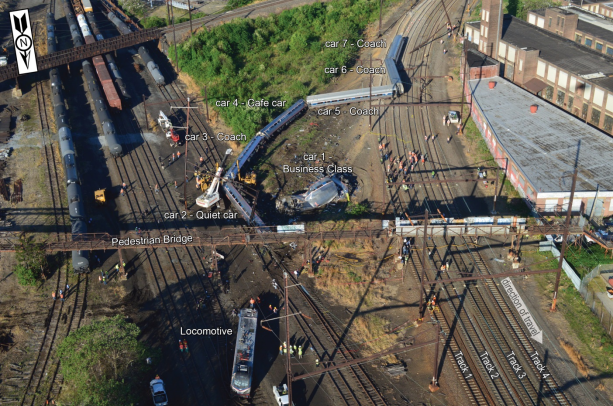
An Amtrak engineer operating a passenger train lost situational awareness and entered a curve with a 50-mph speed restriction at 106 mph, causing the train to derail. A total of 193 people were injured in the derailment, 8 of them fatally. A positive train control system of the kind now required by the Federal Railroad Administration would have prevented the derailment by slowing or stopping the train when the engineer did not decelerate before the curve.
|
Read:
|
Collision of Metrolink Train 111 with Union Pacific Train LOF65-12
|
Chatsworth, California
September 12, 2008
|
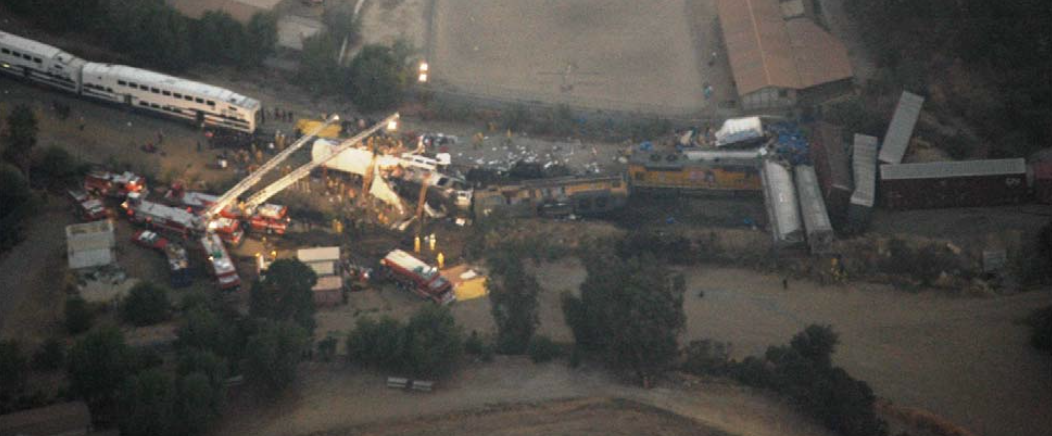
A Southern California Regional Rail Authority Metrolink engineer operating a passenger train failed to observe and respond to a red signal because he was texting on a cell phone. Distracted, he ran the red signal, resulting in a head-on collision with Union Pacific Railroad freight train. A total of 137 people were injured in the collision, 25 of them fatally. A positive train control system of the kind now required by the Federal Railroad Administration, which enforces red signals during most movements, would have prevented this collision by stopping the Metrolink train.
|
Read:
|
